MAMR KIMIA UTAMA – INDONESIA
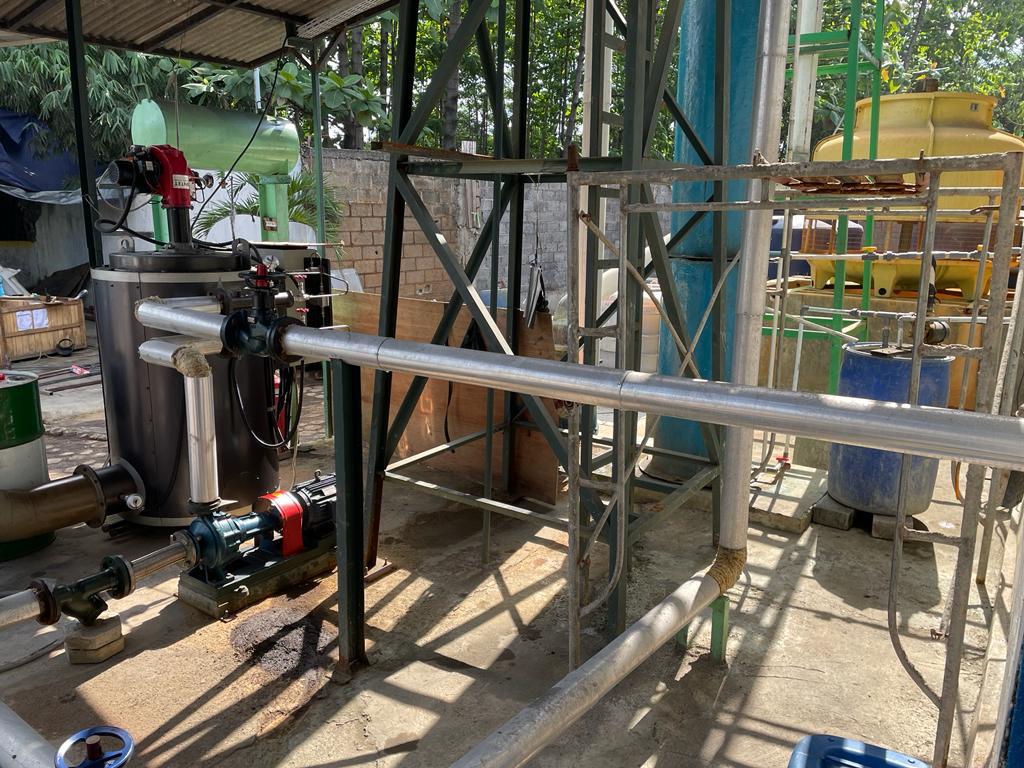
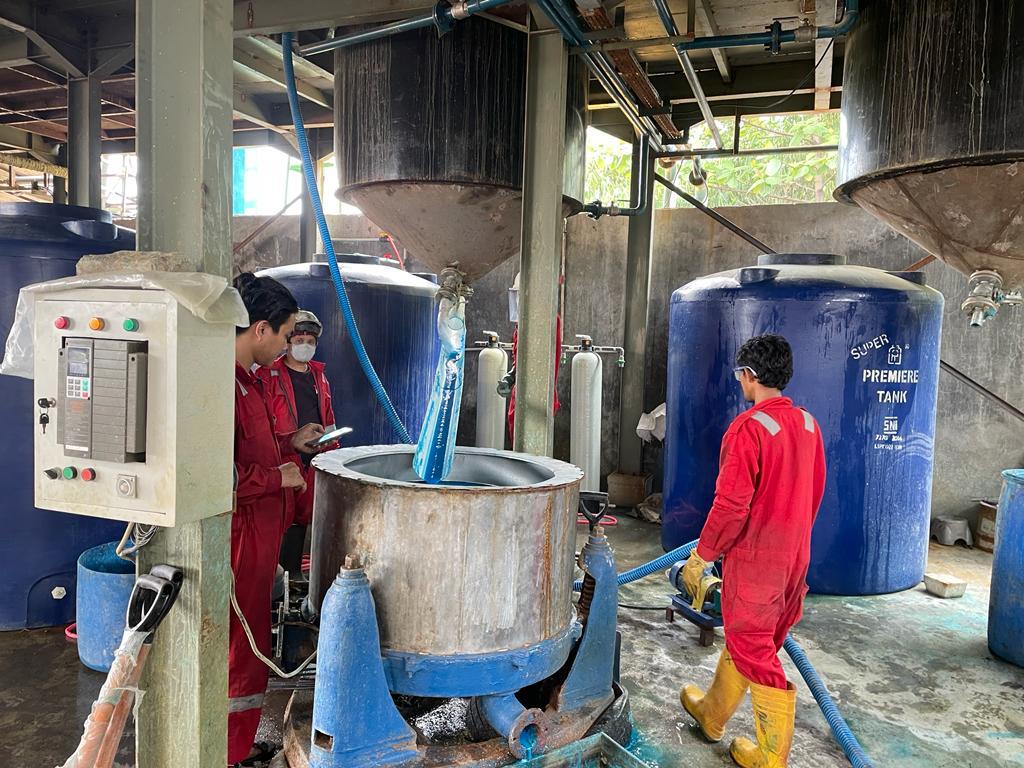
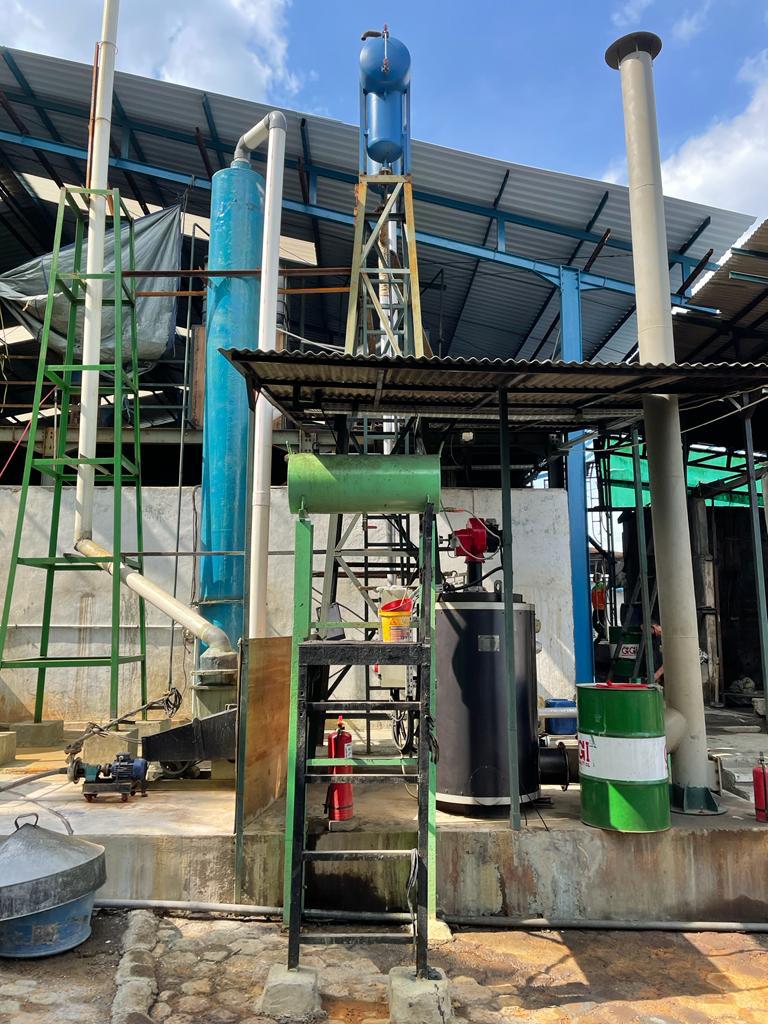
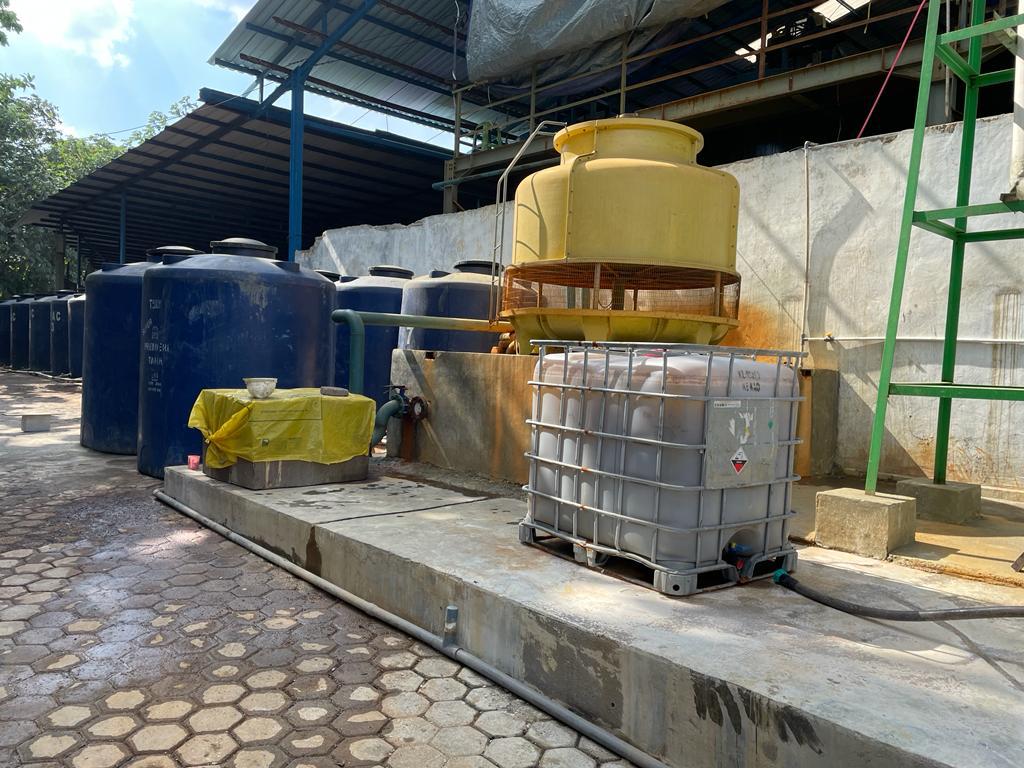
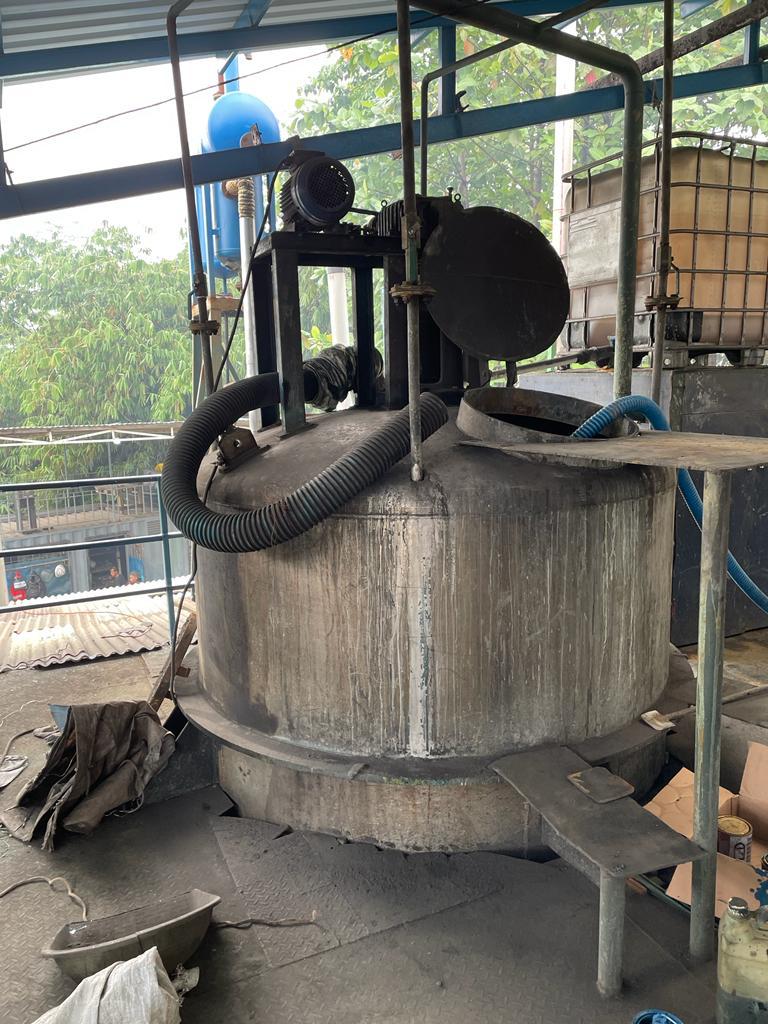
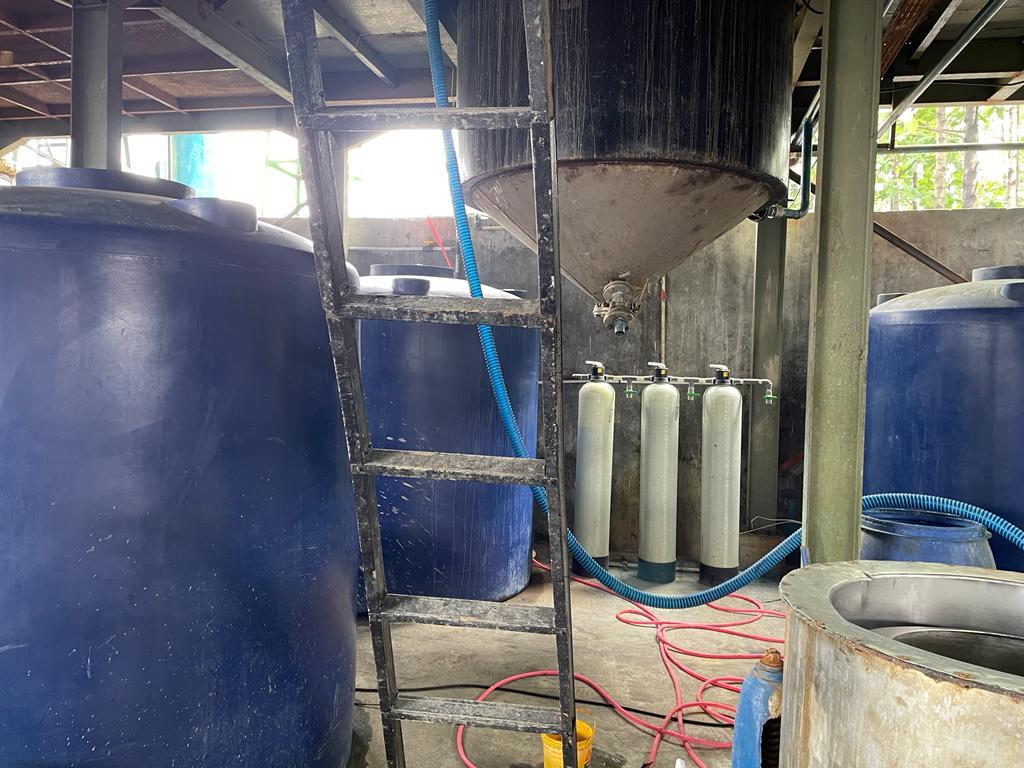
Waste processing and manufacturing of copper sulphate and zinc sulphate
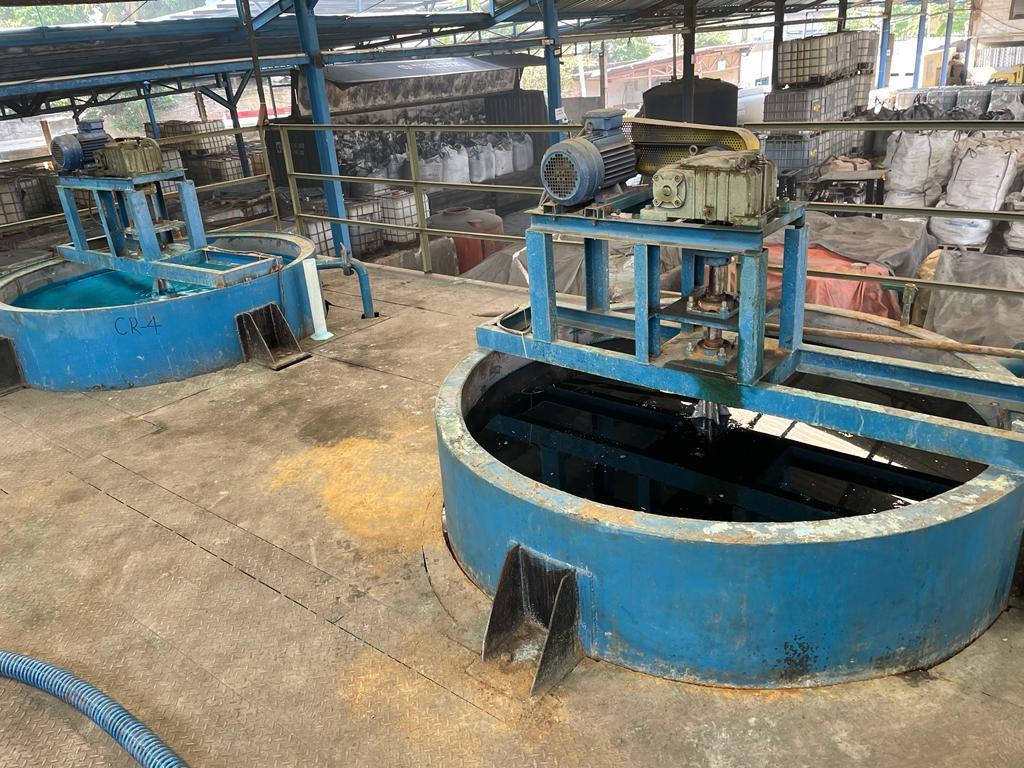
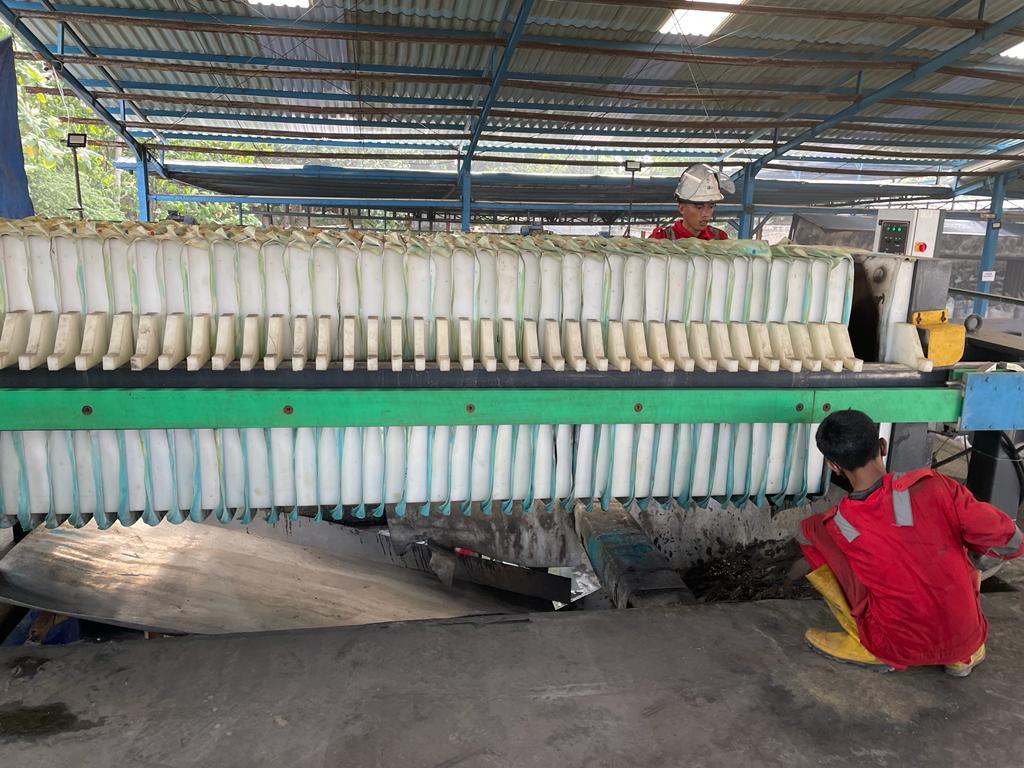
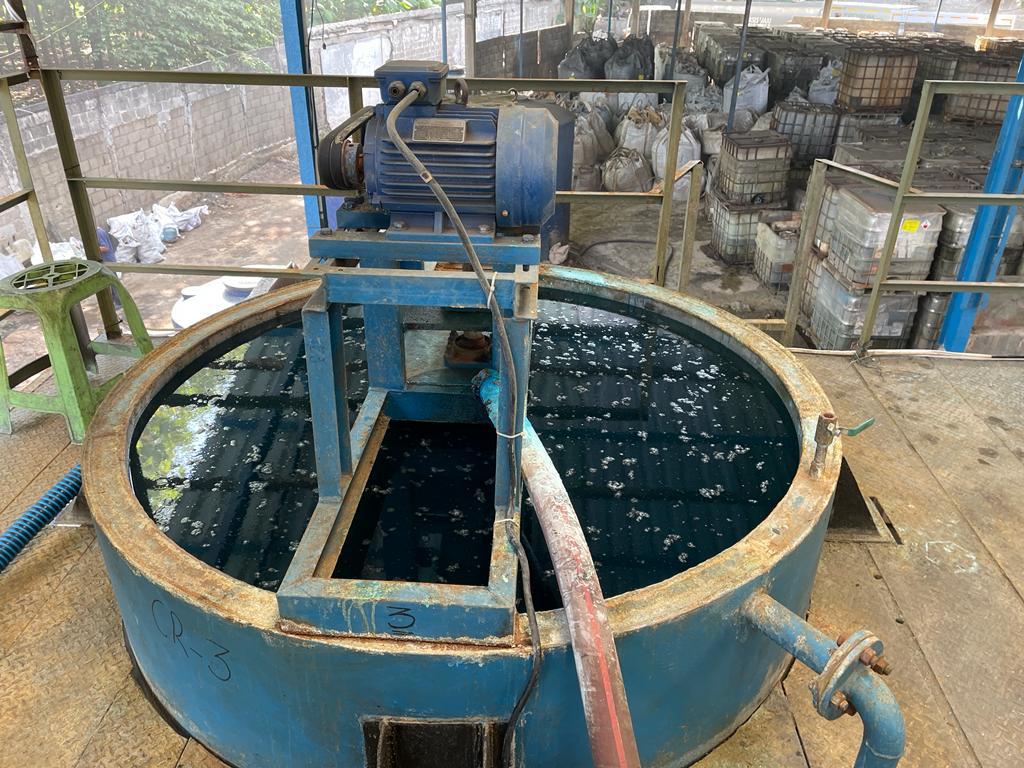
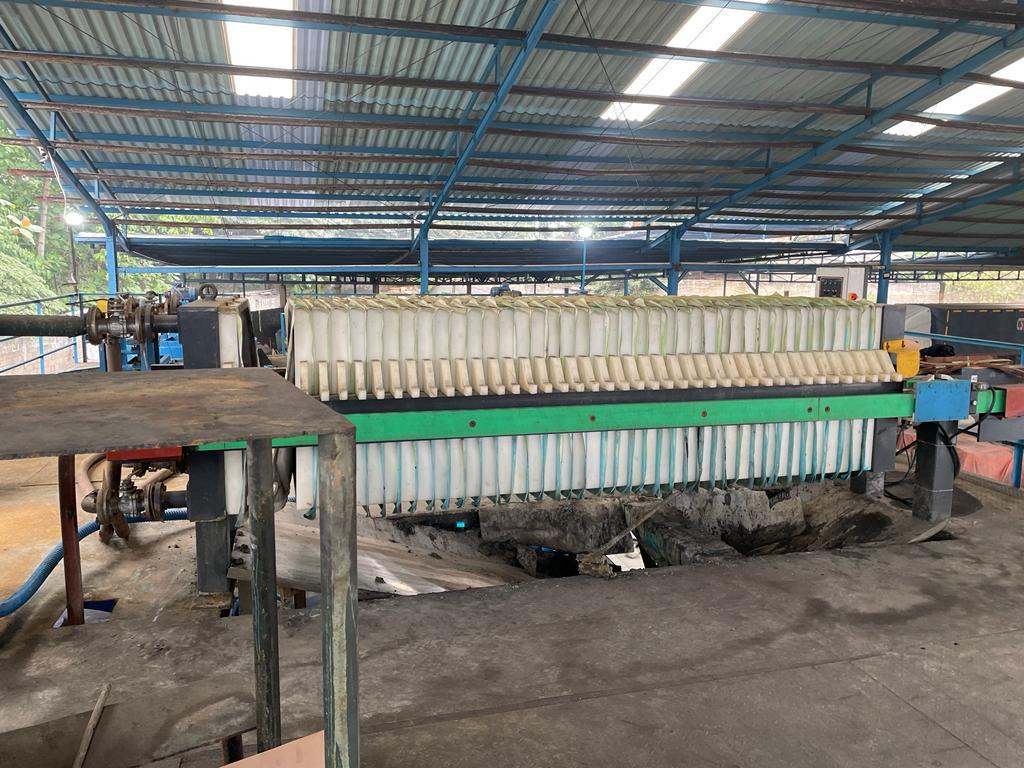
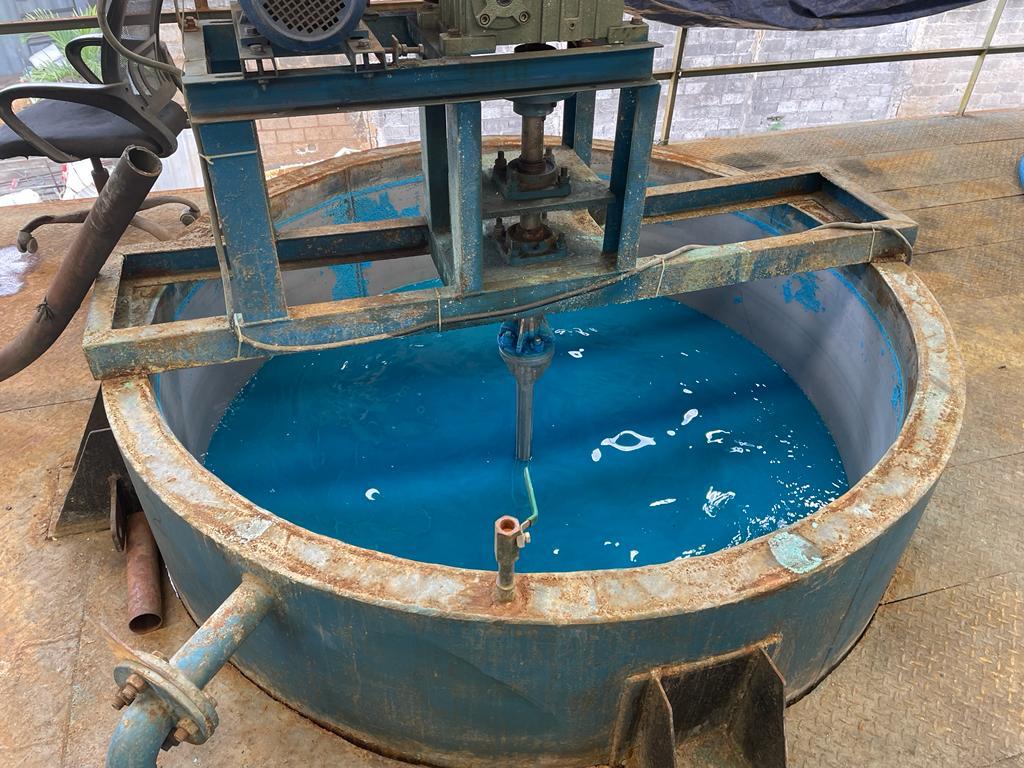
The manufacturing of copper sulphate typically begins by reacting copper metal, or copper-rich ores, with hot concentrated sulphuric acid in the presence of air or an oxidizing agent. This chemical reaction yields a solution that is then filtered to remove impurities and concentrated through evaporation to facilitate the formation of crystals. The final product consists of high-purity blue vitriol ($CuSO_4 \cdot 5H_2O$), which is then dried and graded for use in agriculture, mining, and industrial water treatment.
The manufacturing of zinc sulphate begins by reacting zinc-bearing materials, such as zinc oxide or secondary zinc residues, with a controlled concentration of sulphuric acid. The resulting solution undergoes a rigorous purification process to remove iron, manganese, and other heavy metal impurities, ensuring a high-grade chemical output. Finally, the purified liquid is crystallized, typically through a cooling or spray-drying process, to produce the final heptahydrate ($ZnSO_4 \cdot 7H_2O$) or monohydrate crystals used widely in agriculture and animal feed.
Lead processing
The lead processing cycle typically begins with the extraction of lead-bearing ores, such as galena ($PbS$), which are crushed and concentrated through a froth flotation process to increase the lead content. These concentrates are then sintered and fed into a blast furnace with coke and limestone, where high-temperature reduction produces molten “bullion” lead and separate layers of slag. In the final refining stage, the crude lead is treated through the Parkes or Betts process to remove silver, copper, and other impurities, resulting in high-purity lead ingots ready for battery manufacturing or industrial shielding.
 Shree Ram Kedar Agarwal Group